
Information is power in the rapidly evolving economy of today. Knowing where the job market is going can give you a significant edge, whether you are managing a business or searching for your next professional move. Labour Market Intelligence (LMI) can help with this. It assists employers and job seekers in comprehending the opportunities, skills needed, and job trends that will influence the nature of work in the future.
We will examine what labour market intelligence is, why it is important. On the other hand, how it can help companies and job seekers make better decisions in this comprehensive guide.
What Is Labour Market Intelligence?
Data and insights about the labour market are referred to as labour market intelligence. It contains data on: The need for particular occupations and competencies.

- Growth in the industry and employment rates.
- Workplace conditions and wage trends.
- Employment prospects are both locally and internationally.
LMI can be thought of as a map that illustrates the areas where jobs are expanding, contracting, and the skills that employers are looking for. Moreover, you can make better plans by using facts and evidence rather than speculating about hiring or career decisions.
Why Job Market Insights Matter
The labour market is always changing. New technologies, economic shifts, and global events like the COVID-19 pandemic have reshaped industries worldwide. Because of this, both businesses and job seekers need up-to-date knowledge.

- For businesses, LMI helps with workforce planning, recruitment, and training.
- For job seekers, it highlights which careers are secure and what skills they need to succeed.
Therefore, Without Labour Market Intelligence, decisions can be based on assumptions, which often lead to poor results.
Benefits for Businesses
Companies work in a competitive setting. It’s crucial to make the right hiring decisions and plan for upcoming requirements. For employers, labour market intelligence offers numerous important advantages:

- Smarter Recruitment: Businesses are able to determine which skills are most in-demand and modify their hiring practices accordingly.
- Workforce Planning: In order to prevent unexpected talent shortages, LMI assists companies in preparing for shifts in the labor market.
- Cost Savings: It costs money to hire the wrong people. Businesses can lower turnover if they have access to accurate labor market data.
- Training and Development: By creating training programs that align with future skill requirements, employers can maintain employee productivity.
- Competitive Advantage: Businesses can outperform rivals by staying ahead of employment trends.
For example, through LMI, a tech company may learn that there is an increasing need for cybersecurity expertise. They can begin recruiting and training employees in advance rather than waiting until there is a shortage.
How It Helps Job Seekers
Job seekers also benefit from LMI in powerful ways. Finding a job is not just about sending applications—it’s about targeting the right industries and building the right skills.

Here’s how LMI helps individuals:
- Career Planning – LMI shows which jobs are growing, helping people choose stable and rewarding careers.
- Skill Development – By knowing what employers want, job seekers can focus on learning the right skills.
- Better Job Matches – LMI helps candidates apply for roles that match their abilities, increasing success rates.
- Salary Insights – It provides information about average pay in different sectors, so job seekers can negotiate better.
- Location Choices – Some industries thrive in specific regions. LMI guides people on where to look for opportunities.
For example, someone interested in healthcare may find that demand for nurses and care workers is rising across many countries. With that knowledge, they can invest in training and increase their chances of long-term employment.
Why Businesses Need Job Market Insights
Companies can use LMI in several practical ways:
- Develop hiring strategies – Instead of reacting to shortages, businesses can predict future needs.
- Adjust salaries and benefits – LMI provides data on wage trends, helping companies stay competitive.
- Identify new markets – Workforce data can reveal regions where talent is available at lower costs.
- Plan training programs – Companies can upskill current staff instead of relying only on new hires.
On the other hand, by analysing data from job boards, government reports, and industry research, businesses gain valuable insights into workforce dynamics.
How Job Seekers Can Use Labour Market Intelligence
For job seekers, using LMI is about making smarter choices at every step of their career journey.
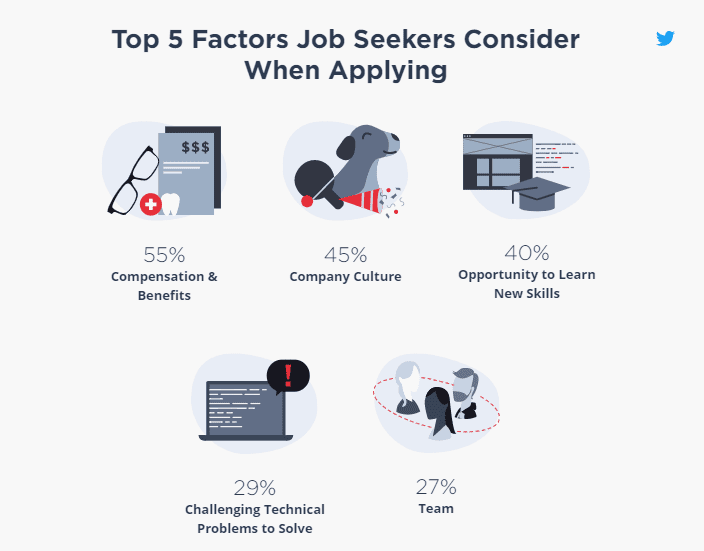
- Research before applying – Look at job growth rates in your field. If opportunities are shrinking, it may be time to pivot.
- Build the right skills – Focus on in-demand technical and soft skills highlighted by labour market reports.
- Target the right locations – Some cities or countries may offer better prospects in specific industries.
- Stay future-ready – Follow industry reports to keep up with changes in technology and job requirements.
For instance, if you discover that renewable energy jobs are rising, you could pursue training in solar installation or wind energy management.
Sources of Labour Market Intelligence
Among the trustworthy sources of LMI are government labour departments.
- Job boards and employment agencies
- Associations for the industry
- Think tanks and research groups
- Institutions of education
Because, these resources offer current reports, data, and projections that are useful for decision-making by both individuals and companies.
The Future of Labour Market Intelligence
LMI will get even more precise and comprehensive as technology develops. Real-time analysis of job postings, salaries, and skill trends is now possible thanks to artificial intelligence and big data tools. Decisions will therefore be made more quickly and intelligently.
For firms, this translates to less risk and improved planning. It gives job seekers access to training opportunities and more defined career paths.
Conclusion
Labour Market Intelligence is more than just numbers—it is a guide that helps businesses and job seekers make smarter choices. In a world where industries evolve quickly, relying on LMI ensures you stay prepared and competitive.
- For businesses, it improves recruitment, planning, and staff development.
- For job seekers, it guides career choices, skill-building, and job applications.
Hence, by using Labour Market Intelligence wisely, both employers and employees can thrive in the modern job market.
FAQs
Q: What is LMI, or labour market intelligence?
Ans: Information regarding jobs, skills, and employment trends that aids in decision-making for both employers and job seekers is known as labour market intelligence.
Q: Why does LMI matter to companies?
Ans: It helps companies prepare for hiring, stay abreast of market developments, and comprehend the availability of talent.
Q: How can LMI assist those looking for work?
Ans: LMI helps job seekers locate better employment possibilities, gain in-demand skills, and choose occupations.
Q: Where can I locate trustworthy LMI data?
Ans: Government papers, industry surveys, employment boards, and research groups are some places to find it.
Q: Can small firms use LMI as well?
Ans: To plan hiring, find skill gaps, and maintain market competitiveness, small enterprises can, in fact, employ LMI.